

Sorry, your browser is not compatible with this application. Please use the latest version of Google Chrome, Mozilla Firefox, Microsoft Edge or Safari.
Transportation content
Transit Cybersecurity Framework Community Profile
The NIST Transit Cybersecurity Framework Community Profile is a cybersecurity framework developed specifically for U.S.-based transit agencies. Aligned with transit-sector priorities and industry best practices, it provides organizations with a…
Learn More


Institution Fleet Volatility Framework
This paper introduces the Institutional Fleet Volatility Framework (IFVF), a capital stabilization model designed to improve financial predictability in institutional fleet operations. The framework treats vehicles as managed capital assets…
Learn More
Designing Services for Impact: How Uber Can Help...
This guide explores how state and local governments can design citizen-centric transportation programs that expand access to essential services, employment opportunities, and community resources. It highlights how on-demand mobility solutions…
Learn More
Executive Order 14374: Establishing a Second...
Executive Order 14374 establishes a second emergency board under Section 9A of the Railway Labor Act to investigate unresolved labor disputes between the Long Island Railroad Company and several labor…
Learn More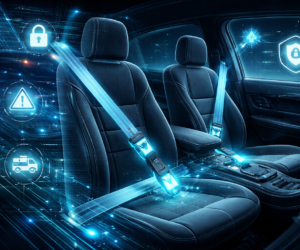
Remotely Controllable Seatbelt System
As vehicles transition into connected, software-defined platforms, core safety systems must evolve beyond purely mechanical operation. The Remotely Controllable Seatbelt System (RCSS) modernizes the traditional seatbelt by introducing authorized, policy-driven…
Learn More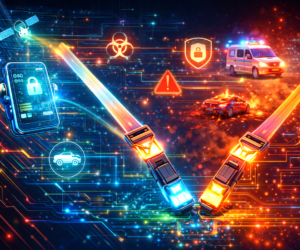
Auto Emergency Evacuation System
The Automotive Emergency Evacuation System is a vehicle-integrated safety solution designed to automatically enable occupant escape when conventional exits are compromised. By detecting severe events such as crashes, fires, rollovers,…
Learn More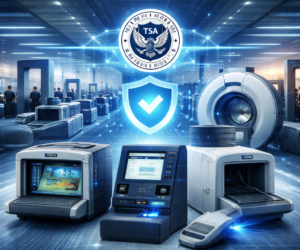
Aviation Security: Then and Now
This overview traces how aviation security in the United States has evolved since 9/11, highlighting changes in personnel, processes, and screening technologies. It shows how intelligence-driven procedures, expanded workforce roles,…
Learn More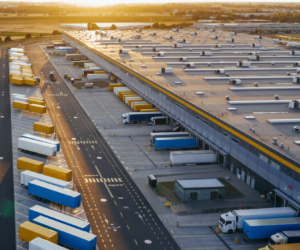
How Industrial Tenants Can Win In a Volatile...
Volatility has become a defining theme in today’s industrial real estate market. The transportation, manufacturing, and the overall supply chain industries have been turned upside down. This white paper explores…
Learn More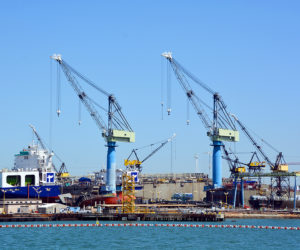
Offshore Patrol Cutter
As cyber threats targeting maritime infrastructure continue to rise, the Coast Guard has launched a groundbreaking program to assess cybersecurity risks across U.S. ports and waterways. GAO’s review shows that…
Learn More
Executive Order 14349: Establishing an Emergency...
A federal emergency board has been created to address unresolved labor disputes between the Long Island Rail Road and several major unions. The board will investigate the issues and report…
Learn More
Improving Healthcare Using Human Factors and...
What does it take to design safer, more resilient infrastructure? The Human Factors team at Volpe explores how cognitive science, behavior, and ergonomics can improve transportation systems—from reducing fatigue-related crashes…
Learn More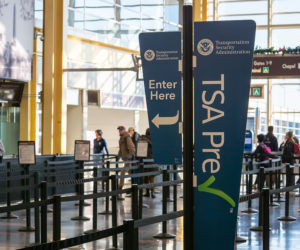
Primary Screening for Passengers
As air travel rebounds to pre-pandemic levels, the TSA is under increasing pressure to screen more passengers for a wider range of threats—quickly and accurately. DHS’s Science and Technology Directorate…
Learn More
A Truck Mileage Traveled Tax to Enhance US Roadway...
The 2025 Trucking VMTT (Vehicle Miles Traveled Tax) report explores how shifting from fuel taxes to mileage-based fees could reshape the financial backbone of U.S. transportation infrastructure. As fuel efficiency…
Learn More
U.S. Shipment of Goods
The 2022 Commodity Flow Survey highlights the dominance of trucking in the movement of goods across the U.S., accounting for over 8 billion tons—far surpassing all other transport modes. Rail,…
Learn More
Commuter Rail: Most Systems Struggling to Recover...
Nearly five years after the pandemic began, most U.S. commuter rail systems are still struggling to regain pre-COVID ridership levels, despite restoring or exceeding service levels. While some systems have…
Learn More